See How an Architect Reinvents Spaces Using Innovative Design and Planning
Architects serve a vital function in creating spaces that harmonize innovation and practicality. Their designs consider human behavior, cultural contexts, and sustainable practices. By working alongside clients and stakeholders, architects translate ideas that cultivate feelings of investment. They also utilize advanced technologies to create adaptable spaces. The impact of their work can be profound, yet many aspects remain unexplored. What actually determines the evolutionary strength of groundbreaking architectural vision?
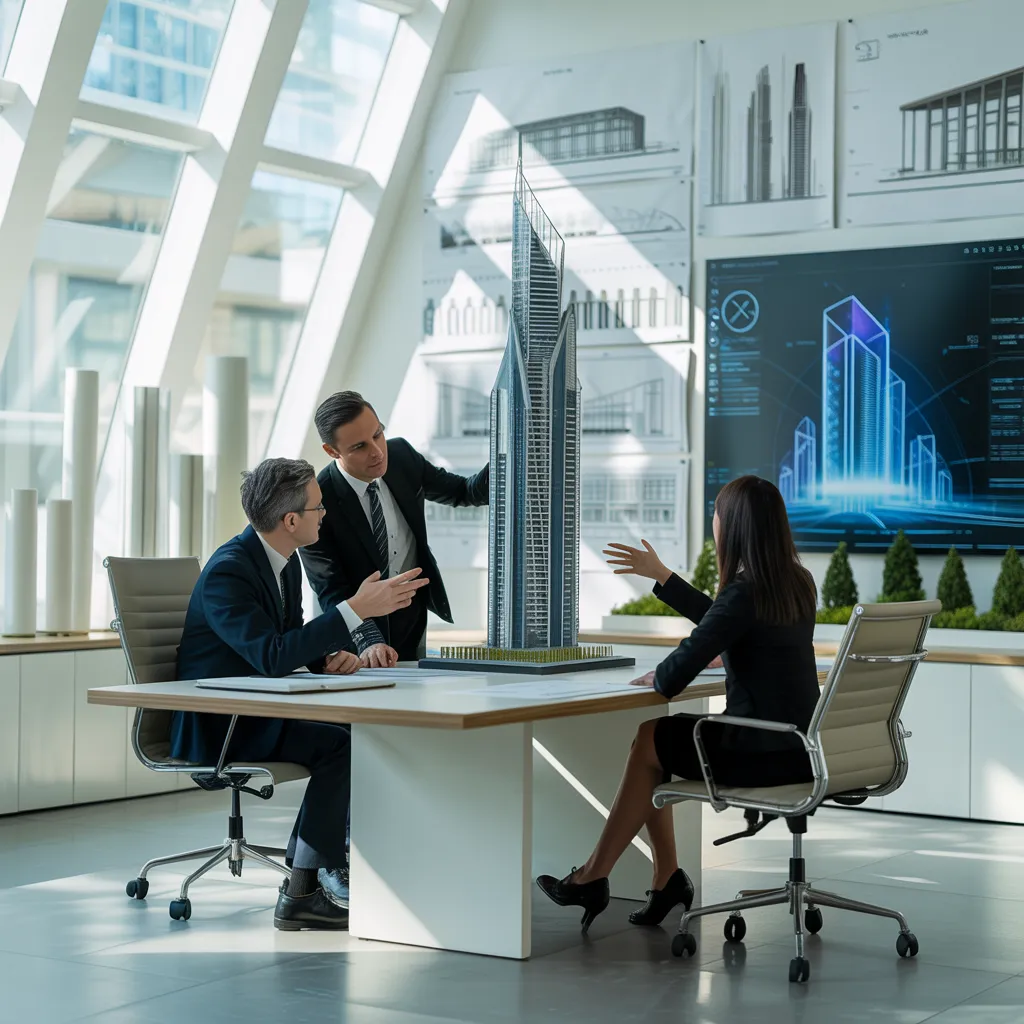
The Role of Architects in Shaping Environments
Architects impact the built environment by combining creativity with functionality. Their role reaches beyond mere aesthetics; they consider how spaces affect human behavior, social interaction, and environmental sustainability. By examining the needs of communities and clients, architects craft designs that enhance usability while reflecting cultural values and historical contexts. They undertake meticulous planning, ensuring compliance with regulations and standards while integrating innovative materials and construction techniques. Architects also partner with various stakeholders, from engineers to urban planners, to accomplish cohesive visions. Through their thoughtful approach, they aid in the creation of spaces that foster well-being and community engagement. Finally, architects shape environments that connect with both current needs and future generations, balancing innovation with practicality in every project.
Core Principles of Progressive Design
Cutting-edge design is built upon several key principles that guide architects and designers in creating impactful spaces. First and foremost, functionality remains vital; spaces must serve their intended purposes effectively. Furthermore, aesthetics play an essential role, as visual appeal enhances user experience and engagement. The principle of context stresses the importance of integrating designs with their surrounding environment, respecting cultural as well as historical elements. Flexibility is also crucial, allowing spaces to adapt to changing needs over time. Moreover, the use of innovative technology can advance design processes, enabling more refined and creative solutions. Finally, collaboration among multiple stakeholders fosters diverse perspectives, leading to well-rounded and innovative outcomes. These principles collectively guide architects toward creating transformative spaces that resonate with users.
The Importance of Sustainable Architecture
While the demand for urban development keeps growing, the significance of sustainable architecture becomes increasingly evident. This approach not only tackles environmental concerns but also enhances the quality of life for urban inhabitants. By employing eco-friendly materials and energy-efficient systems, sustainable architecture minimizes waste and cuts carbon footprints. Architects play an important role in designing buildings that naturally merge with their surroundings, promoting biodiversity and protecting natural resources. Moreover, sustainable architecture often produces long-term economic benefits through reduced energy costs and enhanced property values. As communities seek resilience against climate change, the integration of sustainable practices in architectural design is vital, contributing to healthier urban environments and fostering a culture of sustainability for future generations.
Collaborating With Clients and Key Stakeholders
Effective collaboration with clients and stakeholders is essential in architectural design, as it ensures alignment with the client's vision. Incorporating diverse perspectives throughout the process improves the design outcome and fosters a sense of ownership among stakeholders. An iterative design approach allows for continuous feedback, producing refined solutions that meet both aesthetic and functional needs.
Understanding Customer's Vision
How do architects effectively capture the core of a client's vision? This essential question drives architects to connect profoundly with their clients, ensuring that every concept reflects their aspirations. Successful communication is critical; architects facilitate discussions that inspire clients to communicate their goals, preferences, and even concerns regarding the project. Through careful listening and considerate questioning, they obtain perspective on the client's lifestyle and functional needs.
Visual elements like mood boards and sketches serve to link theoretical concepts with practical deliverables. Additionally, architects consider the emotional impact of the space, aiming to create environments that resonate visit now with the client's identity. Ultimately, the architect's role is to synthesize these insights into a cohesive design that embodies the client's vision and enhances their experience.
Incorporating Stakeholder Points of View
Capturing a client's vision is merely the start of the architectural process; engaging with diverse stakeholders is similarly vital. Architects must actively involve clients, community members, and regulatory bodies throughout the design experience. This collaborative approach ensures that varied perspectives are incorporated, leading to solutions that resonate with the specific needs of the space. By facilitating open dialogues, architects can reveal insights that may not be apparent initially, fostering a sense of ownership among stakeholders. Additionally, addressing concerns early in the process can reduce potential conflicts and strengthen project acceptance. Ultimately, effective stakeholder engagement not only strengthens relationships but also enhances the design, resulting in spaces that are practical, eco-friendly, and reflective of the community's aspirations.
Iterative Design Methodology
The iterative design methodology prospers via continuous collaboration between architects, clients, and stakeholders. This dynamic approach enables the ongoing refinement of concepts and designs, making certain that the final outcome aligns with the vision and needs of all parties involved. Regular feedback sessions enable open communication, empowering architects to adapt their designs based on client input and stakeholder insights. Through sketches, digital models, and prototypes, architects can visually communicate their ideas, cultivating a shared understanding. This collaborative environment promotes creativity while reducing misunderstandings and costly revisions. By embracing an iterative methodology, architects not only elevate the functionality and aesthetics of their projects but also build strong relationships with clients and stakeholders, ultimately producing successful, innovative outcomes.
Incorporating Technology in Architectural Planning
As technology continues to evolve, its integration into architectural planning has become vital for boosting design efficiency and effectiveness. Architects now utilize advanced software tools like Building Information Modeling (BIM) to create comprehensive, three-dimensional representations of structures, providing better visualization and collaboration among stakeholders. Furthermore, virtual reality (VR) and augmented reality (AR) empower clients to experience designs before construction, guaranteeing that their needs are met. Geographic Information Systems (GIS) play a vital role in site analysis and environmental impact assessments, offering data-driven insights for sustainable design. Automation tools expedite repetitive tasks, enabling architects to focus on creative aspects. In summary, technology not only strengthens accuracy and reduces errors but also fosters innovative solutions in the architectural planning process.
Real-World Examples of Revolutionary Building Designs
Innovative architectural projects often display innovative residential designs that transform living spaces. Moreover, sustainable urban developments emphasize the integration of ecological principles within urban planning. These case studies offer insight into how architecture can adapt to contemporary needs while fostering environmental stewardship.
Innovative Dwelling Design Solutions
Creative residential designs have emerged as a response to developing societal needs and environmental challenges, displaying how architecture can redefine living spaces. Architects are increasingly incorporating multifunctional elements into homes, maximizing space while promoting flexibility. For instance, the use of modular furniture permits easy reconfiguration of living areas, accommodating varied lifestyles. Additionally, open floor plans cultivate connectivity among family members, strengthening social interaction. Case studies show the integration of natural light through generous windows and skylights, promoting well-being. Moreover, modern materials and construction techniques are being used to create beautiful yet functional homes. These transformative projects not only showcase contemporary living but also set a precedent for future residential architecture, highlighting the importance of adaptability and creativity in design.
Sustainable Urban Developments
Sustainable urban development represents a crucial shift in architectural practice, addressing the pressing need for environmentally sustainable designs in densely populated areas. Recent case studies showcase innovative projects that integrate green technologies and sustainable materials. For example, the High Line in New York City transformed an abandoned railway into a thriving public park, promoting biodiversity and community engagement. Similarly, the Bosco Verticale in Milan features vertical forests that boost air quality and reduce urban heat. By integrating renewable energy sources, efficient waste management systems, and green spaces, these projects illustrate how architecture can mitigate climate change impacts. Ultimately, sustainable urban developments not only enhance urban aesthetics but also foster healthier living environments, emphasizing the value of ecological considerations in contemporary architecture.
The Future Landscape of Architecture and Urban Development
As metropolitan regions persist in expanding and transforming, the coming era of architectural design and city planning depends on the integration of advanced systems, sustainability issues, and societal elements. Architects are increasingly adopting smart technologies that boost power conservation and elevate the quality of urban life. Novel construction resources and architectural methods aim to decrease environmental impact while advancing eco-friendly practices. Furthermore, urban planners are concentrating on developing inclusive spaces that encourage civic involvement and interpersonal exchange. Mixed-use developments and green spaces are becoming essential components of urban landscapes, addressing both functional and aesthetic needs. The collaboration between design professionals, urban developers, and residents is vital in shaping resilient cities that respond to evolving societal compositions and ecological concerns, finally reshaping the relationship between people and their environments.
Questions & Answers
Which Instruments Do Architects Use for Planning and Design?
Architecture professionals use numerous tools for architectural design and planning, including CAD (CAD) software, three-dimensional modeling applications, physical models, sketching tools, and project management tools to improve creativity and optimize workflow during the architectural process.
How Do Architects Keep Current With Design Trends?
Architecture professionals remain current with design trends by attending industry conferences, engaging in workshops, following architectural journals, engaging in online forums, and networking with peers to communicate ideas and insights on evolving styles and technologies.
What Are Common Misconceptions About Architecture?
Common misconceptions about architecture include the belief that it only concerns aesthetic considerations, that architects only design buildings, and that their work is only involves major projects, disregarding the importance of functionality and user experience.
In What Ways Do Architects Handle Project Budget Constraints?
Architects control project budget boundaries by focusing on essential features, cooperating with clients to create realistic objectives, sourcing affordable materials, and utilizing innovative design techniques that maximize functionality while complying with financial constraints and requirements.
What Career Paths Exist Within the Field of Architecture?
In the area of architecture, numerous career options can be found, including landscape architect, urban planner, interior designer, and sustainable design consultant. Each profession contributes in its own way to the built environment, stressing different aspects of design and planning.